Anarsia (Peach Twig Borer) – How to Manage This Challenging Pest
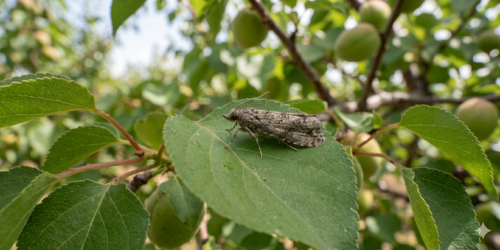
It is considered one of the most destructive pests in stone fruit orchards, yet in most cases its presence is detected only when it is already too late. What is the Peach Twig Borer, and how can growers stay one step ahead of this damaging pest?
The Peach Twig Borer is a common pest that, as its name suggests, attacks apricot orchards as well as a wide range of other stone fruit crops. In recent years, it has become one of the major pests affecting stone fruit orchards in Israel. According to the 2021 annual report of the Northern R&D Center, damage caused by this pest alone can reduce yields by up to 30%, resulting in losses of thousands of shekels per dunam.
So, what exactly is the Peach Twig Borer, what challenges does it pose to growers, and how can it be effectively controlled?
Peach Twig Borer – Identification
Common name: Peach Twig Borer (Anarsia)
Scientific name: Anarsia lineatella
Main host crops: Apricot, Peach, Nectarine, Plum, Almond
The Peach Twig Borer begins its life cycle each year in late spring. Female moths lay dozens of eggs on different parts of the tree, mainly on the undersides of leaves, growing shoots, and young branches.
The larvae, approximately 10 mm long, hatch from the eggs and bore into the tips of young shoots, causing them to wilt and dry out, ultimately reducing yield. In orchards where fruit has already developed, the larvae also penetrate the fruit, feeding internally and accelerating fruit decay.
As the season progresses and successive generations develop, while fruit becomes more abundant on the trees, the primary damage shifts from shoots to the fruit itself.
Challenges in Managing Peach Twig Borer
The greatest challenge in controlling the Peach Twig Borer is detecting its presence at an early stage. The tiny eggs are well concealed when deposited on slender branches or on the undersides of leaves. On fruit, egg-laying is concentrated mainly around the stem cavity, blossom end, and fruit shoulder.
Because the larvae hatch quickly, they penetrate the fruit or plant tissue before visible damage can be detected. Entry holes are extremely difficult to identify and are often visible only under magnification. Consequently, infestations are frequently discovered only after significant damage has already occurred to both shoots and fruit.
Another challenge that has emerged in recent years concerns pest control practices. According to the 2021 Northern R&D annual report, many growers, concerned about the pest’s high damage potential, have resorted to excessive use of insecticides. Some of these products disrupt the orchard’s biological balance, while others are not approved for use in these crops. This can result in harm to people, the environment, bees, and other beneficial insects.
Safe and Effective Control Methods
Successful management of the Peach Twig Borer depends on early intervention. Agrica offers a range of safe and effective crop protection products that target larval development within the fruit and plant tissues, including:
Dipel DF – A biological insecticide based on Bacillus thuringiensis spores that preserves the orchard’s biological balance. Because it is derived from a natural source and has very low toxicity to humans, it requires a pre-harvest interval of only three days. Registered for use in peach, nectarine, and almond orchards.
Proclaim – Contains the naturally derived active ingredient emamectin benzoate, which is absorbed into plant tissues. Once ingested by larvae, it disrupts feeding activity, leading to paralysis and death within a few days. Suitable for use in peach and apricot orchards.
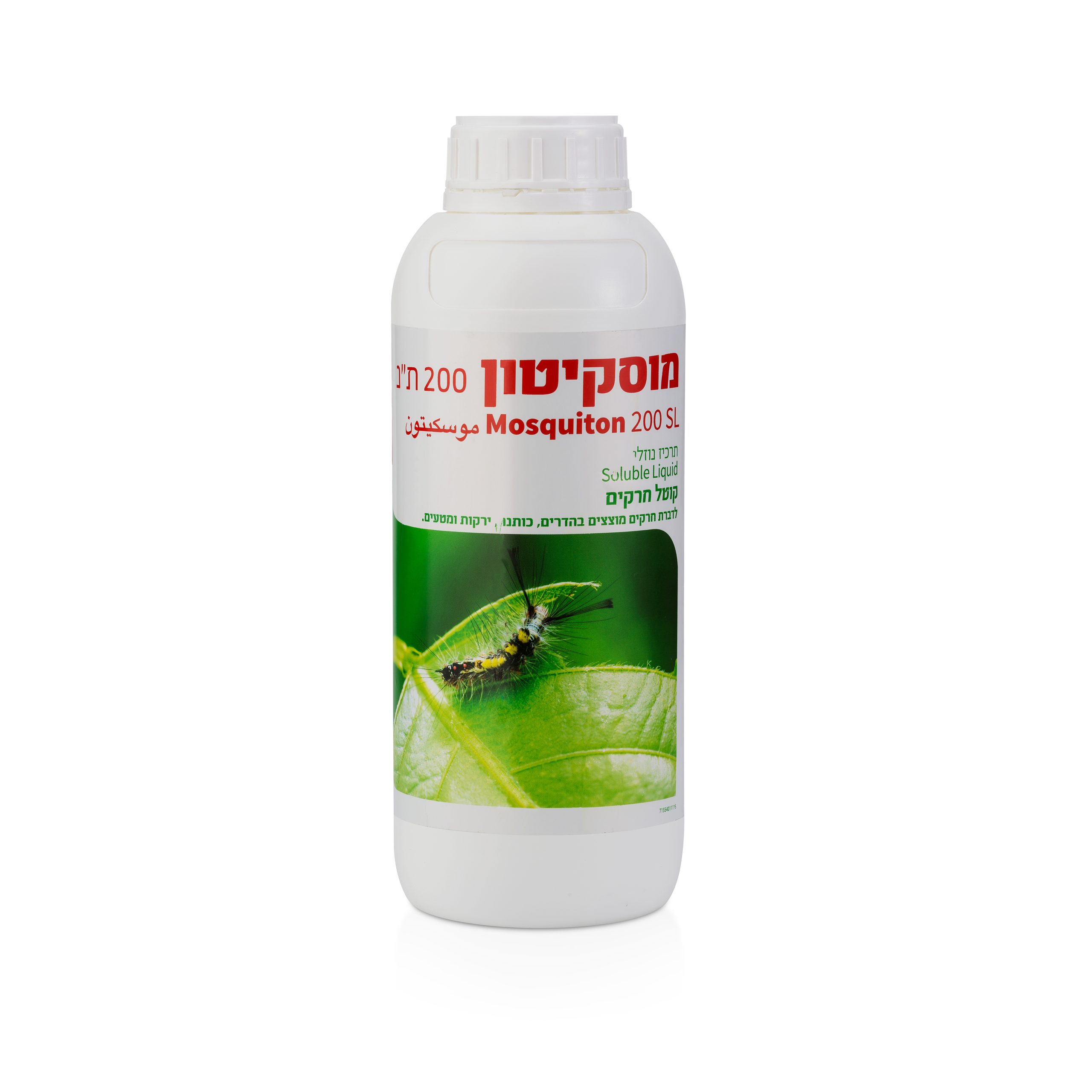
Moskiton 200 – A systemic insecticide effective against both sucking insects and the Peach Twig Borer. It is absorbed by plant tissues and acts on the pest’s nervous system. Registered for use in apricot, peach, nectarine, plum, and almond orchards.
Alverde – A chemical insecticide that controls noctuid moths, including the Peach Twig Borer, by disrupting their nervous system. It rapidly stops feeding within 6–12 hours, with complete mortality occurring within 2–4 days. Suitable for use in almond and peach orchards.
Another effective management strategy is the use of Anarsia mating disruption, commonly known as the “male confusion” technique. In this approach, pheromone dispensers are distributed throughout the orchard, releasing synthetic female pheromones that confuse male moths and interfere with mating. As a result, reproduction declines and pest populations are significantly reduced. Since the effectiveness of this method depends on several factors, it is generally recommended as part of an integrated pest management (IPM) program rather than as a standalone solution.
Prevention Is the Best Strategy
Despite the challenges it presents, the Peach Twig Borer can be effectively managed. Through continuous monitoring, proper treatment timing, and the use of proven, safe crop protection solutions, growers can not only respond to infestations but, more importantly, prevent them from developing, ensuring healthy orchards and high-quality yields throughout the growing season.
Articles
-
How to Beat the Most Persistent Weed of All – Purple Nutsedge (Nutgrass)
-

Soil Salinity: The Hidden Challenge Building Beneath the Surface
Our products



Our Team is Here at Your Service

Hagai BarOn

Erez Ben-Noon

Ariel Rotman

Amit Ankri

Efrat Rimon

Ehud Adler

Giora Sorkin

Ofer Bouta

Zvika Kopfeld

Yaaki Baum

Diego Serkovich

Eliana Rabinovich

Yedidya Atoun