Soil Salinity: The Hidden Challenge Building Beneath the Surface
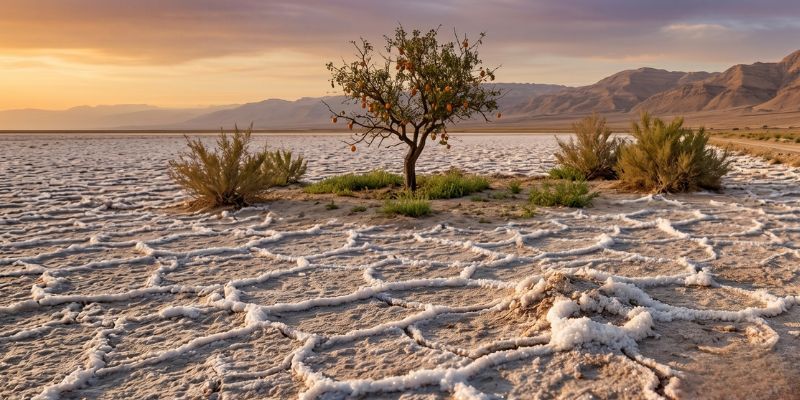
Yellowing or scorched leaf edges, stunted growth, and reduced yields are all common signs of soil salinity– a widespread problem that gradually impairs soil function over time. How can you identify it early, and what is the most effective way to manage it?
Let’s begin with some good news: soil salinity is not a lost cause. With proper management and the right solutions, even saline soils can produce excellent yields. The key is understanding the problem before attempting to solve it.
What Is Soil Salinity and How Does It Affect Plants?
Soil salinity is an increasingly common challenge worldwide. It occurs when high concentrations of soluble salts (primarily sodium and chloride) accumulate in the soil, causing damage in several ways.
Chloride ions, when absorbed by plants in excessive amounts, become toxic and interfere with normal plant development. Sodium, on the other hand, binds to soil particles, damaging soil structure and potentially causing long-term or even irreversible degradation. It also reduces the plant’s ability to absorb other essential nutrients and, in severe cases, limits water uptake through the roots by creating osmotic stress.
The effects are most visible in the crop itself and typically include yellow or burned leaf margins, poor vegetative growth, and reduced productivity.
How Does Soil Become Saline?
Soil salinity generally develops as a result of two main factors:
Climate
In hot, arid regions with limited rainfall, salts are not naturally leached from the soil and therefore accumulate over time. In Israel, these conditions are especially common in the Jordan Valley and the Arava region.
Irrigation Water Quality
Using irrigation water with high salt concentrations, such as reclaimed wastewater, also contributes to the gradual accumulation of salts in the soil.
Additional factors that may worsen soil salinity include poor drainage and excessive fertilization, particularly when fertilizers contain high levels of sodium or chloride.
To diagnose saline soils, growers can perform soil and water analyses, including Electrical Conductivity (EC) testing and the Sodium Adsorption Ratio (SAR), both of which help determine the severity and source of the problem.
The Right Approach: Focus on Supporting the Plant, Not “Fixing” the Soil
The most common practice for managing saline soils is leaching– periodically applying large volumes of water to flush excess salts below the root zone. In addition, growers are advised to use fertilizers with low sodium and chloride content and to avoid excessive fertilizer applications.
However, the key to successful long-term management is recognizing that soil salinity is usually a cumulative condition that cannot be completely reversed. Therefore, rather than trying to restore the soil to its original condition, management should focus on improving the root environment and helping plants thrive despite the saline conditions.
This is where Silanit, Agrica’s specialized soil amendment, comes into play. Designed for soils with low organic matter and salinity issues, Silanit contains calcium, which displaces sodium from the root zone, helping to neutralize its harmful effects and improve the uptake of other essential nutrients.
In addition to calcium, Silanit contains organic matter that enhances the soil’s ability to retain nutrients around the root zone, ensuring greater nutrient availability and longer-lasting fertility for the crop.
Combining periodic leaching, the careful use of low-salinity fertilizers, and targeted treatment with Silanit provides an effective, integrated strategy for both managing and preventing soil salinity. With the right approach, growers can maintain healthy growing conditions, protect crop performance, and ensure long-term agricultural productivity- even when soil conditions become increasingly challenging.
Articles
-
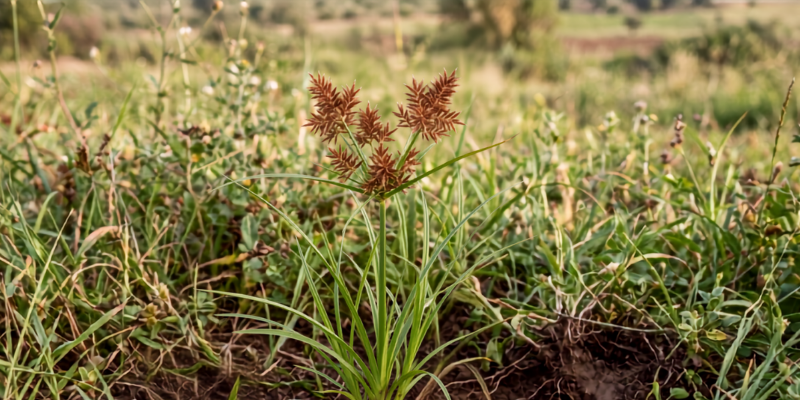
How to Beat the Most Persistent Weed of All – Purple Nutsedge (Nutgrass)
-
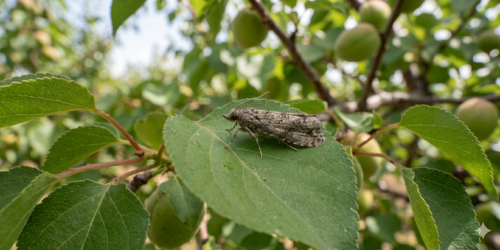
Anarsia (Peach Twig Borer) – How to Manage This Challenging Pest
Our products

Our Team is Here at Your Service

Hagai BarOn
Erez Ben-Noon

Ariel Rotman

Amit Ankri

Efrat Rimon

Ehud Adler

Giora Sorkin

Ofer Bouta

Zvika Kopfeld

Yaaki Baum

Diego Serkovich
Eliana Rabinovich
Yedidya Atoun